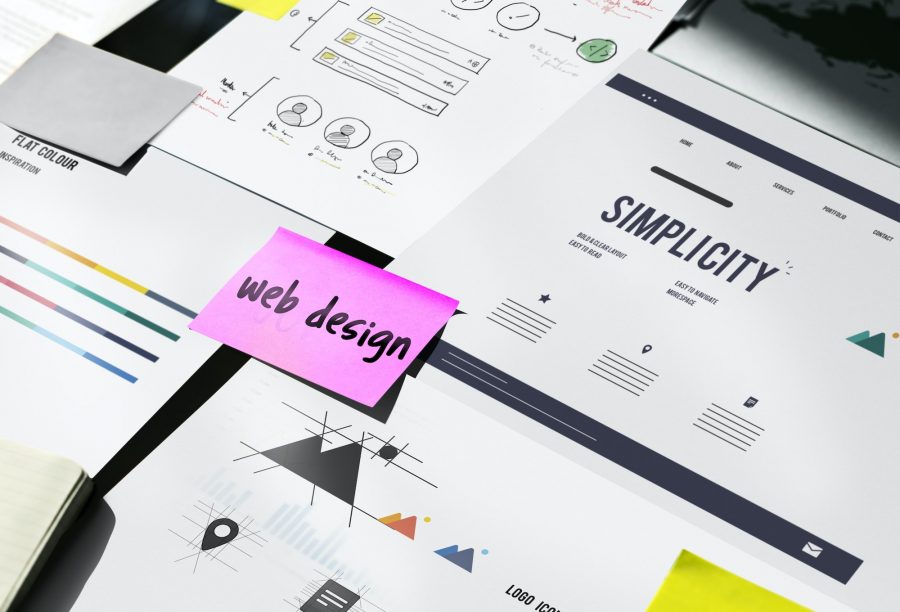
Website design plays an important role in attracting or repelling user traffic. Choosing a font, site colors, and assembling a few forms does not mean you have created the best design. A significant effort, planning, and expertise goes into the process.
Most site designers stick to the components of the design system to achieve their goals smoothly. The design system comprises tools, principles, and other details to guide the design process and ensure a functional and engaging design. Following the components of the design system can also help you create a functional site.
Scroll down into the details of this article to get your hands on essential components of the design system you must not overlook to create compelling and functional designs.
Top 6 Design System Components You Must Know
A design system is a set of tools, principles, and guidelines that facilitate the development of coherent and functional site design. It includes a lot of details, aspects, and components that you must be aware of to create an attractive and functional website.
Here are the major components of the design system you must know about to create perfect site designs.
1. Design Principles
Design principles are the first and foremost component of a design system that you must be aware of. Design principles include the details that shape the coherence and uniqueness of a design. These details not only highlight the brand’s personality but also set it apart from competitors.
Template, layout, typography, design ethos, color theory, and spacing are the elements that define and support the design principles. Understanding all these and implementing them efficiently requires professional expertise. Due to this, site owners often refer to experts from a web design company in Dubai and get their sites designed according to design principles and systems.
2. UI Components and Patterns
UI components and patterns are the next major components of design systems. Website design includes a vast range of user interface elements. All of these must align well with each other to create a perfect and whole experience for the users. Creating a repository of these in advance can make the design process a little easier and smooth.
It includes elements like buttons, navigation bars, cards, forms, and other details. Besides creating these elements efficiently, documenting their functioning and usage is also crucial to enhancing their functioning. Handling all these on your own without professional expertise is not so easy, so you should not hesitate to onboard UI design experts’ support.
3. Style Guide
A style guide is the next major component of the design system that you must know about. A site design is not simply a collection of a few elements that complete a picture. Instead, it is the visual representation of the brand image, philosophy, and ideals. All of this is only possible with a consistent design and well-defined style guidelines.
A style guide can help you align basic elements like logos, typography, color palette, and other visual elements. If you lack the experience and expertise to tackle all these details, you can hand over the task to professional designers and enjoy the perfect results.
4. Component Library
Component library is the next major component of the design system you must be aware of. Designing everything from scratch in site design can take too much time, also it requires extensive professional expertise. Access to the component library can allow to readily implement dropdown menus, page templates, and other such details. Professional developers usually keep a component library of coded and tested elements that they can use anytime. It saves them from additional hassle, as well as limit project completion time. You can also refer to experts and utilize the support well instead of trying to figure out every single detail on your own.
5. Accessibility Guidelines
Accessibility guidelines are another essential component of a design system you must never overlook. Poor accessibility can earn penalties, along with poor rankings on your site. So, it is not wrong to say that it is necessary at the current time. A design system offers detailed accessibility guidelines and supports smooth implementation too.
You must be specifically careful with text readability, color contrasts, navigations, and computability with other features to offer a perfect experience to users with accessibility issues. If you are confused or concerned, you can connect with professional experts and let them offer the best results.
6. Pattern Library
A pattern library is the last design system component you must never overlook. Designers do not always create new patterns for certain needs and requirements, but pick and choose from the available library. Multiple versions of navigation menus, modules, interface elements, forms, tables, and others are included in the pattern library.
These can be used consistently across various design requirements and can save the hassle of designing from scratch. However, choosing the best available option and fixing it well also requires professional expertise. You can contact professionals from the web design company in Dubai and let experts create the best design following the design system.
Does Your Site Follow Design Systems?
If your site does not follow the components of the design system, chances are it is not perfectly functional. Feel free to consult professional designers to fix the design issues of your site or get it redesigned to enhance its functionality.
 Web Designer News